Knowledge Hub
A repeatable and lean framework for building valuable products, with proven guides and best practices across product, design, and engineering.
A team spends three months building a dashboard packed with analytics features. Adoption sits below 15%. The board wants to know why growth isn't accelerating. The answer is uncomfortable: the team built what made sense in planning meetings, but not what users actually needed.
User Obsession is the first of our five product principles, and it's first for a reason. It means defaulting to user value when trade-offs get difficult, stakeholder opinions conflict, or assumptions are challenged by reality.
Most teams think they're user-focused. In our experience, most teams are wrong.
Key Takeaways
- User Obsession is a decision-making framework, not a mission statement. It resolves the most common conflict in product development: building what's easy or familiar versus building what's actually valuable to users.
- Validating assumptions with real user feedback before committing development resources is the single most effective way to avoid expensive pivots.
- User Obsession doesn't mean following every user request. Users often can't articulate their underlying needs. It means understanding the problems they're trying to solve and building solutions that address them effectively.
- This principle compounds over time: teams that validate early build products users actually want, which drives adoption, which drives growth.
The Problem: Assumption-Driven Development
We see it repeatedly: companies launch products that make perfect sense when discussed in meeting rooms but fall apart when deployed to real users.
Patterns we've encountered across engagements:
A fintech client builds a complex analytics dashboard when users actually want to check their balance in three taps. An e-commerce platform adds social features for engagement while checkout takes twice as long and cart abandonment spikes. A SaaS company builds a comprehensive admin panel where users can't find basic settings.
The common thread is that teams follow their internal assumptions rather than validated user research, then wonder why adoption is low and churn stays high.
The business cost adds up fast:
Expensive pivots to fix fundamental misalignments. Features that consumed development time without delivering value. Extended timelines repairing wrong assumptions. Lost market opportunity while competitors iterate on what users actually told them.
What User Obsession Actually Means
User Obsession means understanding what users actually need and prioritizing their feedback. It's the framework that resolves the tension between building what's convenient for the team and building what's valuable for the user.
This isn't about unthinkingly following every feature request. Users often can't articulate their underlying needs, and individual feedback doesn't represent broader patterns. User Obsession means understanding the problems users are trying to solve and building solutions that address them effectively.
How this shows up in our work
We validate assumptions with real user feedback before committing development resources. Every feature hypothesis gets tested with actual users before engineering begins significant work. Our discovery process is built around this: user interviews, behavioral analysis, and prototype testing happen before code gets written.
We measure success by user behavior, not feature completion. Adoption rates, retention metrics, and user-reported outcomes carry more weight than shipping deadlines. A feature that ships on time but nobody uses isn't a success.
We choose solutions that reduce user friction, even when they require more development effort. If users struggle with a workflow, we fix the workflow rather than writing better documentation and hoping they adapt.
How User Obsession Prevents Expensive Mistakes
Costly product development mistakes happen when teams build without validating core assumptions. User Obsession prevents these by systematically validating at key decision points throughout the product lifecycle.
Before committing to feature development
We validate the underlying user problem through interviews, behavioral analysis, and prototype testing. If users don't demonstrate the problem we're trying to solve, we don't build the solution. This is where Dual-Track Agile earns its keep: discovery runs ahead of delivery so these questions get answered before engineering resources are committed.
During development
We test with real users to identify friction points before they become expensive to fix. Catching usability issues in prototypes costs a fraction of what it takes to rebuild completed features. Our Design Leads run usability testing throughout, not just at the end.
After launch
We measure user behavior to identify adoption barriers and iterate based on actual usage patterns. This is where the gap between "shipped" and "successful" becomes visible, and where teams without User Obsession tend to move on to the next feature instead of fixing what they just launched.
Our Approach
Our product development process starts with discovery, which centers on understanding user problems before proposing technical solutions. Every engagement begins by mapping user workflows, identifying friction points, and validating assumptions about user behavior.
User interviews focus on current behavior, not future preferences. We ask users to walk through their existing workflows and explain current frustrations rather than asking what features they want. What people say they want and what they actually need are often very different things.
Prototype testing happens early and often. We test and iterate on prototypes before building production code, validating that solutions reduce user friction rather than add complexity.
Success metrics align with user outcomes. We prioritize metrics like adoption rates, task completion, and user-reported satisfaction over technical metrics that don't correlate with business results. Our Product Leads own these metrics and use them to guide prioritization.
Why This Matters
Growth creates pressure from all directions. The board expects rapid growth. Sales wants enterprise features. Marketing needs analytics improvements. Customer success is asking for bug fixes. Without User Obsession as a decision framework, teams default to building what the loudest internal stakeholder wants. This produces products with impressive feature lists that fail to solve the core problems users actually have.
User Obsession flips that dynamic. Instead of an internal exercise in feature prioritization, product development becomes a systematic approach to creating user value. When users succeed, businesses succeed. When products solve real problems effectively, market adoption follows. That alignment between user outcomes and business outcomes is what makes this principle the foundation everything else builds on.
What This Means in Practice
Here's how User Obsession plays out in our day-to-day work:
1. Discovery before delivery, every time
Our teams don't start building until the user problem is validated. The Product Lead runs user interviews and works with the Design Lead on prototype testing before anything moves into the delivery track. This isn't a nice-to-have that gets skipped when timelines are tight. It's how we prevent the scenario where the team spends months building something users don't want.
Validate by checking whether the last several features shipped went through user validation before engineering started. If they did, the process is working. If some were fast-tracked based on stakeholder requests alone, the principle isn't fully embedded yet.
Red flag: Features regularly move from "someone asked for this" to "engineering is building it" with no validation step in between.
2. Measuring what users do, not what we ship
After launch, our teams track adoption and usage patterns rather than just marking features as "done." The Product Lead monitors whether users actually engage with what was built, and if adoption is low, the team investigates why rather than moving straight to the next backlog item. This feedback loop is what turns User Obsession from a one-time validation step into a continuous practice.
Validate by looking at what happened after the last major feature launched. If the answer includes adoption data and iteration based on that data, the loop is working. If the answer is "we shipped it and moved on," there's a gap.
Red flag: The team tracks velocity and feature completion but not user adoption or satisfaction metrics.
3. Protecting user value under stakeholder pressure
When a stakeholder pushes for a feature that doesn't align with what user research is showing, our teams use User Obsession as the framework for that conversation. The principle doesn't mean saying "no" to stakeholders. It means bringing user evidence into the discussion so the decision is informed rather than political. Sometimes the stakeholder is right. But the conversation is different when there's data on the table.
Validate by observing how the team handles competing requests from stakeholders and user research. If user evidence gets surfaced and weighed in the decision, the principle is functioning.
Red flag: Stakeholder requests consistently override user research findings, or the team doesn't bring user data into prioritization conversations at all.
Common Questions About User Obsession
Q: How do you balance User Obsession with the need to ship quickly?
A: They're not actually in tension as often as people assume. Validating a user problem through interviews or prototype testing takes days, not months. Skipping that step and building the wrong thing takes months to recover from. Our discovery track runs in parallel with delivery through Dual-Track Agile, so validation doesn't block engineering work. The team validates what's coming next while shipping what's already been validated.
Q: What if users ask for features that don't align with the product strategy?
A: User Obsession means understanding user problems, not building every feature users request. When users ask for something that feels off-strategy, that's a signal to dig deeper into the underlying problem. Often the request points to a real pain point that can be solved in a way that does align with strategy. Our Product Leads are trained to distinguish between the request and the need behind it.
Q: How does OAK'S LAB handle situations where there isn't enough user data to validate?
A: Early-stage products or brand-new features sometimes don't have existing user data to draw on. In those cases, we lean on qualitative methods: exploratory user interviews, competitive analysis, and lightweight prototype testing with target users. The bar for validation scales with the investment. A small feature might need a handful of user conversations. A major product bet warrants more rigorous research. The point is that some validation always beats none.
Q: Does User Obsession apply to B2B products where the buyer isn't the end user?
A: Absolutely, and this is where it gets interesting. In B2B, you often have the buyer (CTO, VP of Engineering), the decision influencer (team leads), and the end user (individual contributors) all with different needs. User Obsession means understanding all three perspectives and how they interact. The buyer cares about ROI and scalability. The end user cares about whether the tool makes their daily work easier. Building for one while ignoring the other creates products that get purchased but not adopted, or that get loved by users but never approved by leadership.
Q: How do you keep User Obsession from becoming an excuse to delay shipping?
A: This is a real risk if validation becomes an open-ended research project. We scope validation tightly: specific questions, specific methods, specific timelines. A user interview sprint might take a week. A prototype test might take a few days. Our Stay Lean principle acts as a counterbalance here, pushing the team to validate just enough to make a confident decision, then ship and iterate. The two principles work together to prevent both building the wrong thing and researching forever.
Subscribe to our newsletter and receive the latest updates from our CEO.
All newsletters
(42)
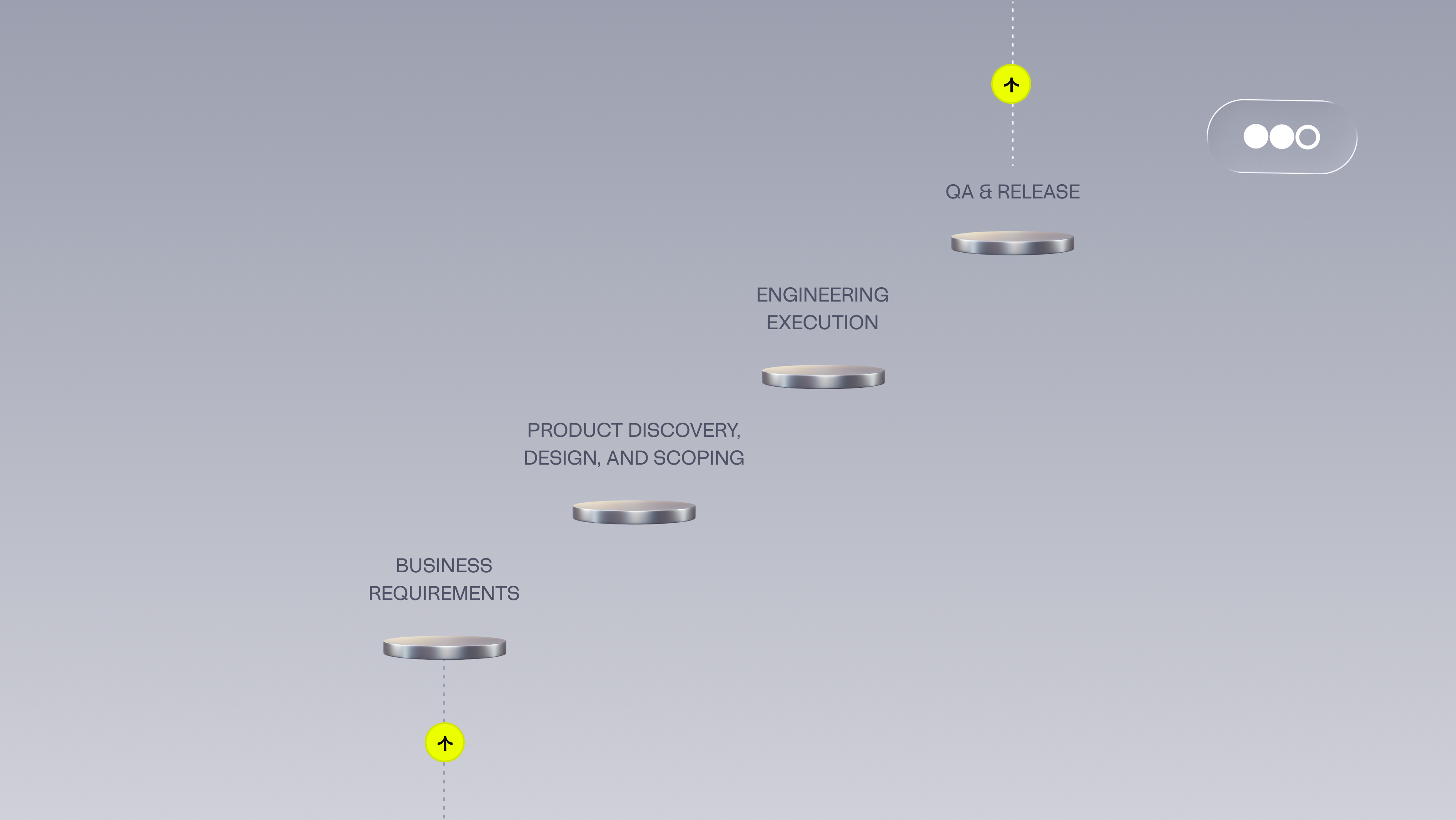
Why More Engineers Won't Fix Your Velocity Problem
Product Development
Technology
August 5, 2026
OAK'S LAB named a 2026 Clutch Global winner in threat intelligence and network security
Business
August 3, 2026

How to Find the Right Outsourcing Software Development Partner: A Framework for CTOs
Product Development
Technology
Business
July 15, 2026
What Actually Breaks as You Scale — And How We’ve Helped CTOs Fix It
Product Development
February 23, 2026
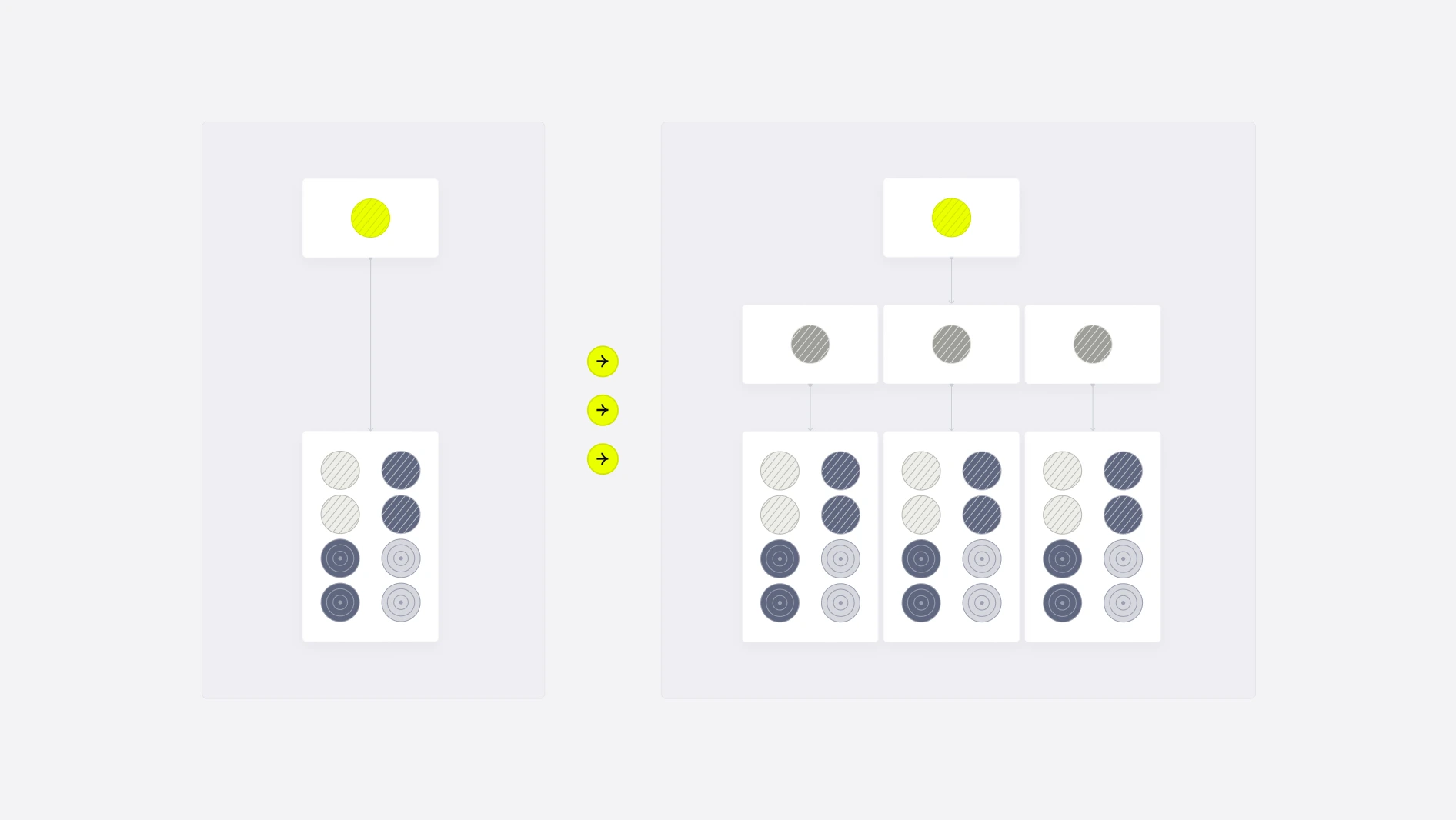
From Monoliths to Modular: How to Structure Engineering Teams as You Scale
Product Development
Business
Technology
July 23, 2025

A Practical Guide to Building Agentic AI Products
Technology
Product Development
January 9, 2025

Building AI-Powered Products Without ML Teams
Product Development
Technology
October 15, 2024

Behind the Innovation: Meet Lukáš
Culture
June 28, 2024

Planning the Perfect Offsite
Culture
June 13, 2024
.webp)
Behind the Innovation: Meet Ugur
Product Development
Business
Technology
March 18, 2024

Building a Strong Company Culture: The Core Values That Drive Our Success
Culture
Business
February 29, 2024

Behind the Innovation: Meet Milica
Culture
Business
February 19, 2024