Knowledge Hub
A repeatable and lean framework for building valuable products, with proven guides and best practices across product, design, and engineering.
User Obsession: Why Most Teams Build What Users Don't Want

User Obsession isn't about conducting more surveys or adding "user-centric" to your marketing copy. It's about defaulting to user value when trade-offs get difficult, when stakeholder opinions conflict, and when your assumptions get challenged by reality.
Most teams think they're user-focused. Most teams are wrong.
The Problem: Assumption-Driven Development
Here's what we see repeatedly: companies launch products based on internal logic that makes perfect sense in conference rooms but falls apart when real users get involved.
A fintech startup builds a complex dashboard because "users want comprehensive analytics." Users actually want to check their balance in three taps. An e-commerce platform adds social features because "engagement drives retention." Users abandon the platform because checkout now takes twice as long.
The pattern is always the same. Teams substitute their assumptions for user research, then wonder why adoption rates disappoint and churn remains high.
The business cost is measurable. Products built on assumptions require expensive pivots, feature rollbacks, and extended development cycles to fix fundamental misalignments with user needs.
What User Obsession Actually Means
User Obsession means understanding what users actually need and prioritizing their success over internal convenience. It's a decision-making framework that resolves the most common conflict in product development: building what's easy versus building what's valuable.
This isn't about blindly following every user request. Users often can't articulate their underlying needs, and individual feedback doesn't represent broader patterns. User Obsession means understanding the problems users are trying to solve, then building solutions that address those problems effectively.
What it means in practice:
Validate assumptions with real user feedback before committing development resources. Every feature hypothesis gets tested with actual users before engineering begins significant work.
Measure success by user behavior, not feature completion. Adoption rates, retention metrics, and user-reported outcomes matter more than shipping deadlines.
Choose solutions that reduce user friction, even when they require more development effort. If users struggle with a workflow, fix the workflow rather than training users to adapt.
Subscribe to our newsletter and receive the latest updates from our CEO.
All newsletters
(42)
What Actually Breaks as You Scale — And How We’ve Helped CTOs Fix It
Product Development
February 23, 2026
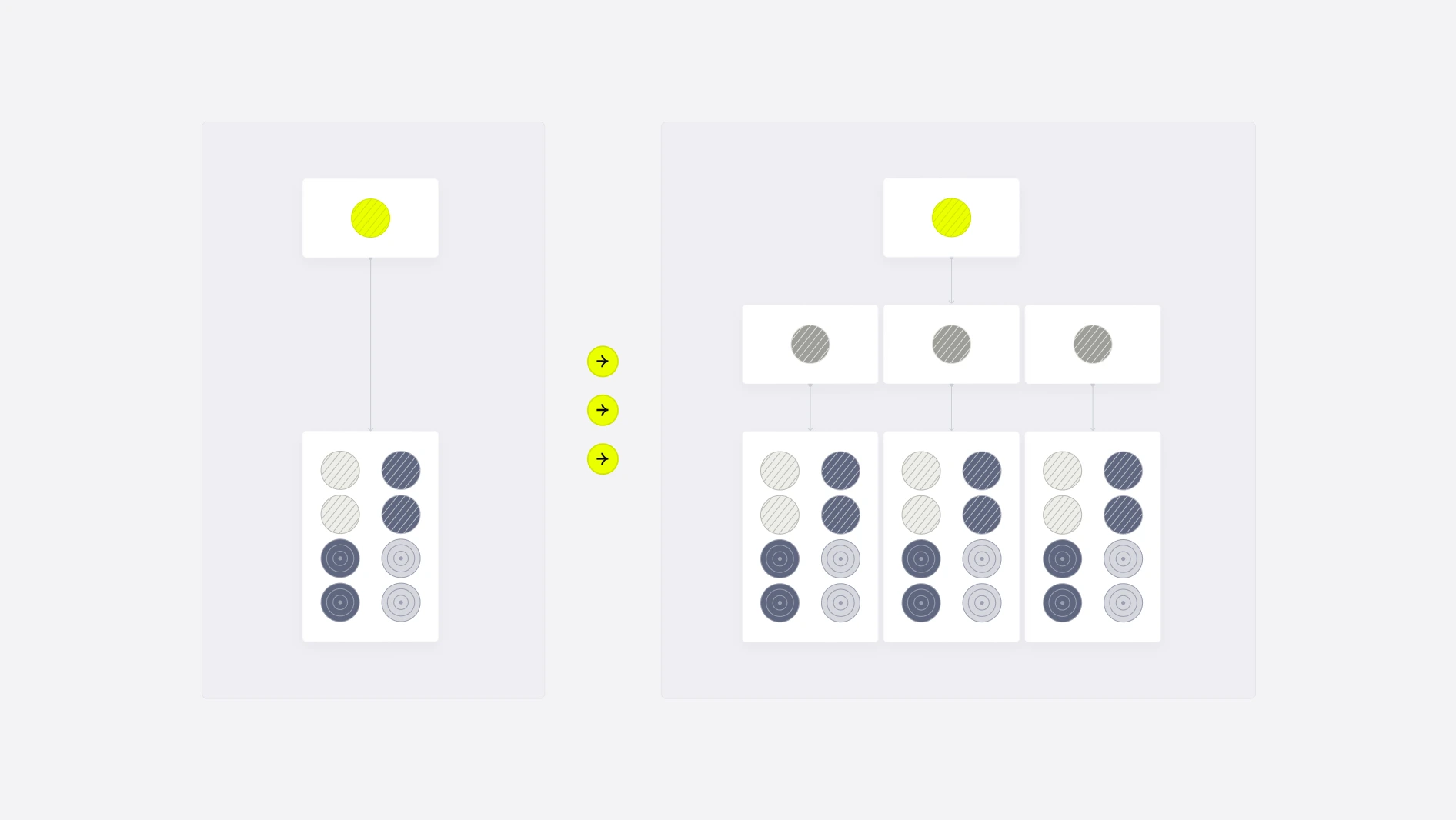
From Monoliths to Modular: How to Structure Engineering Teams as You Scale
Product Development
Business
Technology
July 23, 2025

A Practical Guide to Building Agentic AI Products
Technology
Product Development
January 9, 2025

Building AI-Powered Products Without ML Teams
Product Development
Technology
October 15, 2024

Behind the Innovation: Meet Lukáš
Culture
June 28, 2024

Planning the Perfect Offsite
Culture
June 13, 2024
.webp)
Behind the Innovation: Meet Ugur
Product Development
Business
Technology
March 18, 2024

Building a Strong Company Culture: The Core Values That Drive Our Success
Culture
Business
February 29, 2024

Behind the Innovation: Meet Milica
Culture
Business
February 19, 2024

Unicorns, Exits, and Global Recognition: The Rise of Prague’s Tech Scene
Business
Technology
February 1, 2024

Implementing a Company Strategy Into Your Organization
Business
Culture
September 25, 2023

August Engineering Monthly Round-Up
Product Development
Technology
September 11, 2023