Knowledge Hub
A repeatable and lean framework for building valuable products, with proven guides and best practices across product, design, and engineering.
Dual-Track Agile Process: Meetings & Ceremonies
Bad meetings kill product velocity and team morale and can turn structured delivery into organizational stagnation. Too many meetings, and nobody has time to actually work. Too few, and the team loses coordination. The wrong kinds of meetings, or poorly defined ones, leave everyone confused about why they're in the room.
At OAK'S LAB, meetings and ceremonies form the backbone that keeps Dual-Track Agile running. They're not overhead that bogs down the team. They're coordination mechanisms that allow discovery and delivery to operate simultaneously in an organized and predictable fashion.
Key Takeaways
- Ceremonies are formal, recurring sprint events (planning, standups, reviews, retros). Meetings are ad hoc events that address specific topics.
- A predictable ceremony rhythm means everyone knows when coordination occurs and can protect the remaining time for focused work.
- Ceremonies serve both tracks simultaneously: sprint planning bridges discovery outputs to delivery inputs, standups cover both tracks, and reviews demo shipped features alongside validated research.
- Stakeholder touchpoints are built into the cadence deliberately.
Ceremonies vs. Meetings
These terms get used interchangeably, but the distinction matters:
Ceremonies are formal, recurring events that happen every sprint: sprint planning, daily standups, discovery backlog reviews, backlog refinement, sprint reviews, retrospectives, and steercos. Everyone knows when they happen, what they're for, and who needs to attend. They provide structure and transparency to both the team and stakeholders.
Meetings are ad hoc events that address specific topics as they arise. User interviews, design critiques, technical deep-dives on unexpected issues. They happen as needed and aren't on a fixed schedule. If everything is going well, you might have very few of these in a given sprint. If something complex comes up, you might need several.
When teams treat everything as a "meeting," ceremonies lose their structure and ad hoc discussions get forced into rigid schedules where they don't belong.
The Sprint Ceremony Rhythm
The goal of a ceremony cadence is predictability: everyone knows when coordination happens and can protect the remaining time for focused work. In a two-week sprint, ceremonies follow a natural rhythm.
The sprint opens with planning, where the team commits to a defined business goal and scope. Daily standups keep coordination tight throughout both weeks. Discovery-focused ceremonies (backlog reviews, prioritization) happen at regular intervals so the pipeline of validated work stays healthy. Refinement sessions prepare upcoming stories for engineering. The sprint closes with a review (demoing completed work to stakeholders) and a retrospective (reflecting on process improvements). Leads also hold a separate stakeholder standup each week to coordinate ongoing reviews.
At OAK’S LAB, we also run project steering meetings with key client stakeholders, typically once per month, to look at the project from a strategic perspective, align on goals and the roadmap, review progress, and discuss any potential project challenges.
Everything else is protected building time. Every ceremony has a defined purpose, a timebox, and expected outcomes.
The Critical Ceremonies
Sprint Planning bridges discovery outputs and delivery inputs. The team reviews what discovery validated, agrees on the sprint's business goal and velocity (accounting for any upcoming days off), and commits to what can be delivered. The Product Lead presents validated work, the Tech Lead weighs in on feasibility, and engineers commit based on realistic capacity. Stakeholders attend to approve the sprint scope. If your sprint planning regularly runs long, either discovery isn't refining work sufficiently or the team is debating priorities that should have been resolved during discovery.
Daily Standups provide quick coordination on progress, blockers, and the day's primary focus. Each person answers three questions: "What did I complete yesterday?" "What am I working on today?" "What's blocking me?" That's it. Keep it short. Walk through the board together so everyone can see the sprint's status. If your standups regularly blow past the timebox, you're solving problems in the standup that should be handled in a separate conversation afterward.
Discovery Backlog Review aligns the product team and stakeholders on discovery work for upcoming sprints. What user problems need validation? What prototypes need testing? What initiatives should be pulled from the backlog for deeper exploration? This keeps the discovery pipeline healthy, so delivery never runs out of validated work to build.
Backlog Refinement is the detailed review of upcoming user stories and development tasks. The whole engineering and QA team walks tickets through the Definition of Ready, asks questions, and estimates using planning poker. The Design Lead walks through interaction details, and the Tech Lead flags technical concerns. By the end, every ticket has a DoR, a DoD, and an estimation. Teams may run one or two refinement sessions per sprint depending on volume.
Backlog Prioritization brings stakeholders and leads together to decide immediate priorities for the next sprint and the future. The output: backlog items ordered by business and product priority, feeding directly into sprint planning.
Sprint Review demos completed work to stakeholders. The agenda follows a structured format: executive summary, how the team performed, what was delivered, what was discovered, roadmap check-in, risks and challenges, and next steps. Show what you actually did, not slide decks about what you plan to do.
Sprint Retrospective reflects on what went well, what didn't, and what the team should change. This ceremony provides space to address process friction regularly, before small issues become entrenched problems. The output is a documented summary with concrete action items that get reviewed at the start of the next retro.
How Ceremonies Support Both Tracks
Discovery and delivery contain different activities but share ceremonies:
Sprint Planning brings both tracks together. Discovery presents validated work. Delivery commits to building it. This single ceremony connects what your team learned to what your team builds, which is the main goal of Dual-Track Agile.
Daily Standups cover both tracks. Product Leads share discovery progress and what's upcoming. Software Engineers share delivery progress and flag whether they need additional inputs. Everyone stays informed without attending separate meetings for each track.
Sprint Reviews demo both tracks. Show shipped features from delivery. Show validated designs or user research findings from discovery. Stakeholders see the complete picture in a single recurring meeting rather than fragmented updates via Slack threads and emails throughout the sprint.
Common Ceremony Mistakes
Even experienced teams make these mistakes:
Skipping preparation. Sprint planning fails when discovery doesn't refine work in advance. Engineers sit through a planning meeting waiting for the product team to finalize requirements that should already be ready. That's your entire team's time wasted because one person didn't do their homework.
Letting ceremonies run long. Standups that take 45 minutes aren't standups anymore. When you consistently blow past timeboxes, you signal that people's time doesn't matter. The resentment builds quietly and shows up as people "accidentally" being late to the next ceremony.
Treating ceremonies as status updates. Standups aren't for detailed progress reports to management. They're for the team to coordinate work, identify blockers, and adjust plans. If a stakeholder wants a status report, that's what the sprint review and stakeholder standups are for.
Not visualizing the discussion. When reviewing work in Jira, Miro, or Figma, share your screen and guide the team through what you're talking about. People can't contribute meaningfully to conversations about tickets or designs they can't see. This sounds obvious, but it's one of the most common problems in remote and hybrid teams.
Missing needed participants. Making decisions without critical input creates more problems than it solves. If the right people aren't available, reschedule.
Running Effective Ceremonies
Lock in the schedule. Pick ceremony times that work for everyone, including stakeholders, and don't move them. Consistency builds habits and lets people show up prepared.
Define clear agendas. Before every ceremony, everyone should know what will be discussed and which decisions need to be made. The Product Lead owns this for most ceremonies. For stakeholder meetings, send the agenda in advance so they have time to prepare feedback.
Enforce timeboxes. Start on time, end on time. If you need more time on a topic, schedule a separate meeting.
Document decisions. After each ceremony, capture what was decided, what changed, and what actions are needed. Decisions that aren't documented get relitigated next week.
We saw the value of ceremony discipline with a healthtech client where multiple teams were working across their large product suite. Without structured ceremonies, a project like this fragments quickly: engineering builds against outdated assumptions, stakeholders lose visibility, and decisions stall in Slack threads. Sprint planning sessions enabled the product team to present validated work before engineering committed, which successfully prevented misaligned priorities early on. Daily standups surfaced integration blockers between the frontend and backend teams within hours, rather than days. Sprint reviews gave stakeholders a recurring touchpoint to validate direction and prevent large course corrections. The result was additional new products that unlocked new revenue, delivered on time because the ceremony cadence kept coordination tight and problems small.
What Stakeholders Should Attend
Stakeholders shouldn't attend all ceremonies. Their time is most valuable during sprint planning, discovery backlog reviews, sprint reviews, backlog prioritization, and the dedicated stakeholder standup.
Be thoughtful about having stakeholders in daily standups or technical refinement. Their presence can alter team dynamics. An engineer who might say "this requirement doesn't make sense" in a team standup might stay quiet when the CEO is listening. That silence costs you.
The Cost of Poor Ceremony Discipline
Skip sprint planning, and engineers start building without full context, which causes rework. Skip retrospectives, and problems compound until they escalate into a crisis. Let standups drag on, and engineers lose their morning flow state every single day. Cancel the discovery backlog review, and your pipeline of validated work dries up.
The ceremony schedule prevents these problems. Everyone knows when coordination occurs and what each ceremony produces. Between ceremonies, team members work without interruption. That balance between effective coordination and protected execution time is what makes Dual-Track Agile practical rather than theoretical.
What This Means in Practice
Before restructuring your team's meeting cadence:
1. Check whether each recurring meeting on your calendar has a defined output
Look at every recurring meeting your team holds. For each one, can you name the specific output it produces? Sprint planning produces a sprint commitment. Standups surface blockers. Reviews generate stakeholder feedback. If a meeting doesn't produce concrete results, it's consuming time without creating value.
Validate by canceling one or two meetings with unclear outputs for a couple of sprints and seeing what happens. If nobody notices and nothing breaks, seems like those meetings were overhead.
Red flag Your team has meetings where the same topics get discussed repeatedly without resolution. That usually means the meeting lacks a defined decision-making structure, so conversation happens without outcomes.
2. Check whether your ceremonies produce clear outcomes
For each ceremony on your schedule, can you point to a specific output? Sprint planning should produce a sprint commitment with a defined business goal. Standups should surface blockers. Sprint reviews should generate stakeholder feedback. Retrospectives should produce at least one actionable process improvement per sprint.
Validate by reviewing recent ceremony notes. If outcomes aren't documented, or if the same issues keep appearing in retrospectives without resolution, your ceremonies are running on autopilot rather than driving decisions.
Red flag Your sprint retrospective consistently identifies the same problems every sprint. That means either the team isn't implementing changes, or nobody has the authority to make the process adjustments the retro suggests.
3. Evaluate whether your ceremonies connect discovery and delivery
Look specifically at your sprint planning ceremony. Does it include presenting validated discovery work to the delivery team? Or does planning consist entirely of pulling tickets off the backlog without discussing the evidence behind them?
Validate by checking whether engineers can articulate the business rationale behind their current sprint work. If the team is building features without understanding the evidence or user problem behind them, the ceremony that's supposed to bridge discovery and delivery isn't doing its job.
Red flag Your team runs discovery and delivery as completely separate workflows with no shared ceremonies. The product team validates in one set of meetings, engineering delivers in another, and the two tracks connect only through tickets with no conversation about context or evidence.
Frequently Asked Questions
How does OAK'S LAB's ceremony cadence integrate with our existing sprint rhythm?
If your team already runs sprints, we align with your cadence, or we establish a shared one during the project kick-off. The ceremony types are standard (planning, standups, reviews, retros), so the integration focuses on scheduling and ensuring both internal and OAK'S LAB team members attend the same ceremonies rather than running parallel ones. The worst pattern we see is teams holding separate ceremonies for internal and external participants. That creates information silos and misalignment that only surfaces when something breaks. One team, one set of ceremonies, regardless of organizational boundaries.
What visibility do we get as leadership into progress without attending every ceremony?
The sprint review is designed for exactly this. It covers an executive summary, performance against sprint goals, what was delivered, what was discovered, roadmap status, and risks. That's your complete picture in a single meeting per sprint. The Product Lead also runs a separate stakeholder standup at least once a week for ongoing coordination between reviews. At a macro level, we run stereos once per month with key client stakeholders. Between those touchpoints, leadership stays informed without having to sit in daily standups or technical refinement sessions.
How do ceremonies adapt when the team scales or adds workstreams?
Each workstream gets its own ceremony cadence, but shared ceremonies (like steering committees and cross-workstream reviews) keep everyone aligned at the portfolio level. What you want to avoid is ceremony proliferation, where every new workstream adds meetings that pull shared resources into overlapping time slots. At OAK'S LAB, we keep workstream-level ceremonies self-contained and use periodic cross-workstream syncs to catch dependencies and conflicting priorities.
How do ceremonies work across time zones when working with OAK'S LAB?
We maintain a minimum three-hour overlap window with every client, and that window is where all ceremonies get scheduled. Sprint planning, sprint reviews, retrospectives, and stakeholder standups happen live during that overlap. For ceremonies that don't require the full team in real time, like backlog refinement or discovery reviews, recorded walkthroughs and async formats work well when the overlap is tight. The key is protecting the synchronous window for the ceremonies that genuinely need real-time discussion and using async approaches for everything else, rather than stretching people's schedules to accommodate meetings that could be a recording.
How do you prevent ceremony fatigue as the engagement progresses?
By keeping ceremonies purposeful and evolving them as the team matures. Early in an engagement, ceremonies tend to run longer as the team builds shared context and calibrates how they work together. As the team hits its stride, ceremonies naturally tighten. Standups get shorter because people know the codebase and dependencies. Refinement sessions move faster because estimation calibration improves. The Product Lead and Tech Lead actively monitor whether ceremonies are still earning their time and adjust frequency or format when they're not. If backlog refinement consistently wraps early, drop to one session per sprint instead of two. The ceremony structure is a framework, not a mandate, and the team should refine it the same way they refine anything else.
Subscribe to our newsletter and receive the latest updates from our CEO.
All articles
(42)
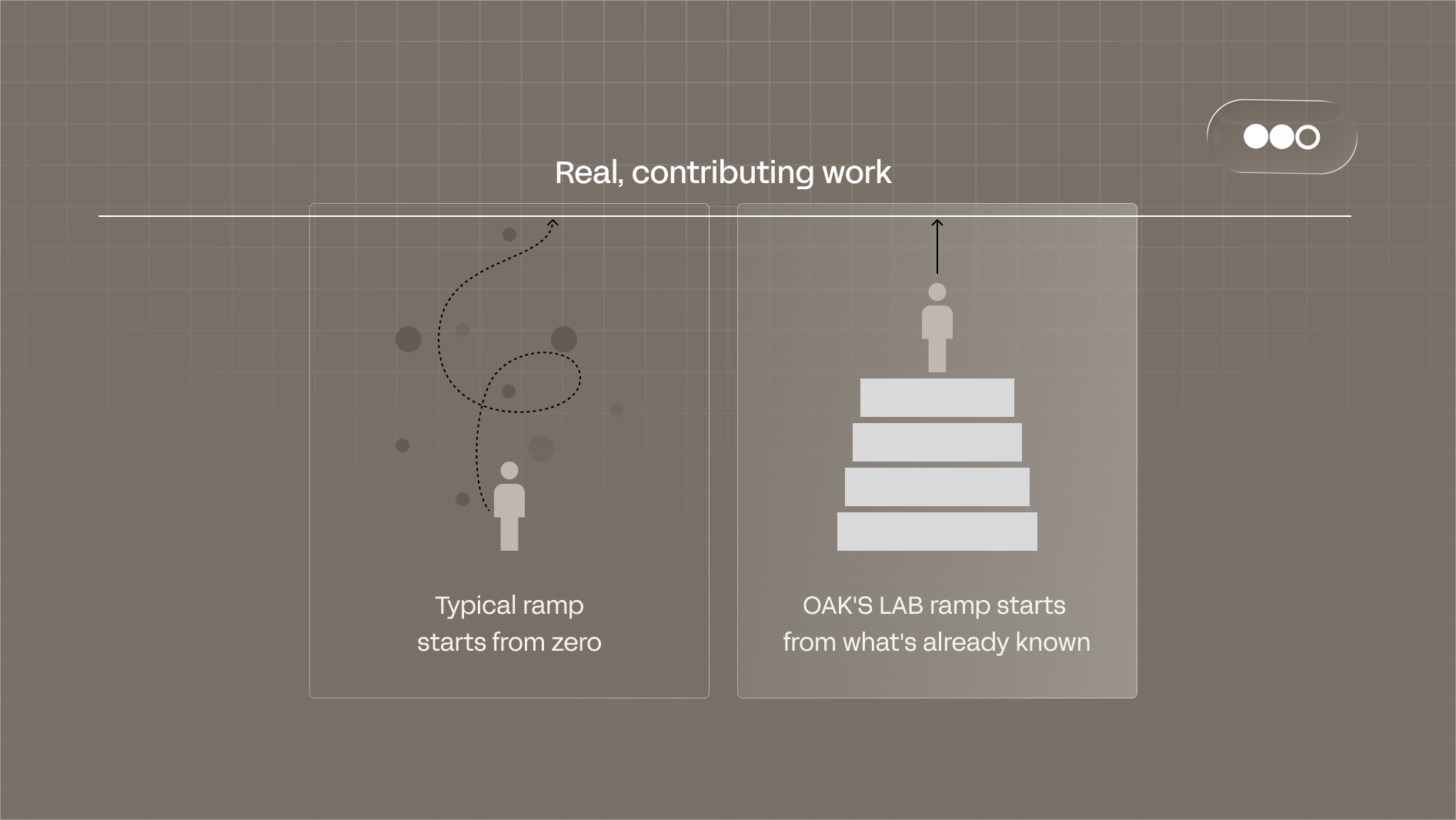
How Senior Engineers Ramp in Their First Week
Product Development
September 8, 2026
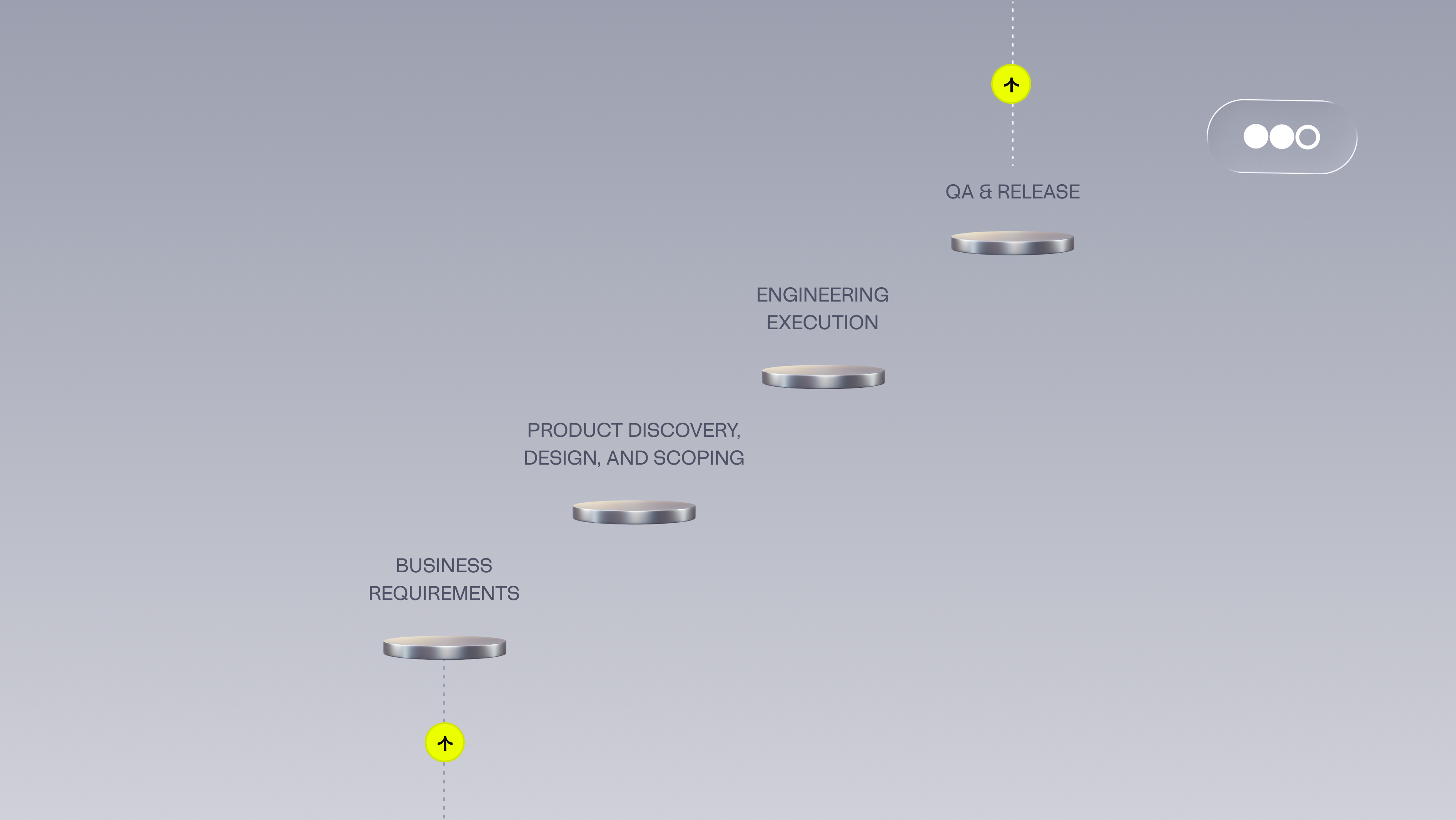
Why More Engineers Won't Fix Your Velocity Problem
Product Development
Technology
August 5, 2026
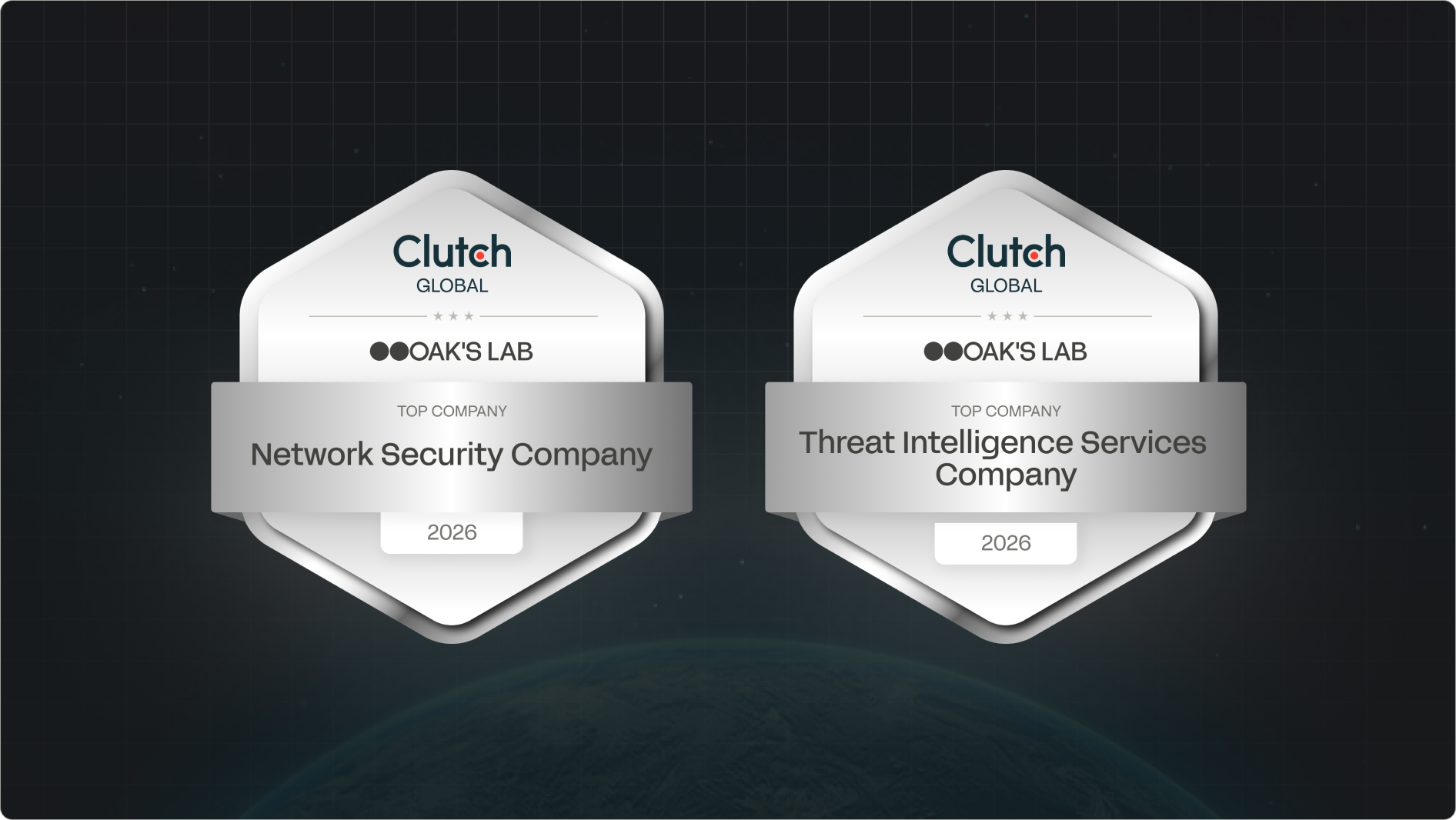
OAK'S LAB named a 2026 Clutch Global winner in threat intelligence and network security
Business
August 3, 2026

How to Find the Right Outsourcing Software Development Partner: A Framework for CTOs
Product Development
Technology
Business
July 15, 2026
What Actually Breaks as You Scale — And How We’ve Helped CTOs Fix It
Product Development
February 23, 2026
From Monoliths to Modular: How to Structure Engineering Teams as You Scale
Product Development
Business
Technology
July 23, 2025

A Practical Guide to Building Agentic AI Products
Technology
Product Development
January 9, 2025

Building AI-Powered Products Without ML Teams
Product Development
Technology
October 15, 2024

Behind the Innovation: Meet Lukáš
Culture
June 28, 2024

Planning the Perfect Offsite
Culture
June 13, 2024
.webp)
Behind the Innovation: Meet Ugur
Product Development
Business
Technology
March 18, 2024

Building a Strong Company Culture: The Core Values That Drive Our Success
Culture
Business
February 29, 2024